200+ Acres
Planned live-in campus
Up to 85%
U.S. military veterans
4 Tracks
Core vocational pathways
100+
Students at planned scale
The Opportunity
Two Challenges. One Practical Solution.
Veterans are transitioning out of highly structured, mission-driven service while communities face a growing need for skilled people who can restore land, locate and develop water, and repair damaged ecosystems. WRTS is designed to connect those needs.
Challenge One
Veteran Career Transition
Veterans bring discipline, leadership, resilience, and mission focus, but those strengths do not always translate cleanly into civilian careers.
The Bridge
World Restoration Trade School
Vocational training, field experience, and career preparation focused on environmental restoration.
Challenge Two
Environmental Workforce Gap
Restoration technologies exist, but communities need trained practitioners who can apply them competently in the field and at scale.
How It Works
Learn It. Do It. Build a Career From It.
01
Learn
Study the science, systems, and trade skills behind land, water, and environmental restoration.
02
Practice
Build competency through hands-on work on a live-in campus designed as part of the learning environment.
03
Deploy
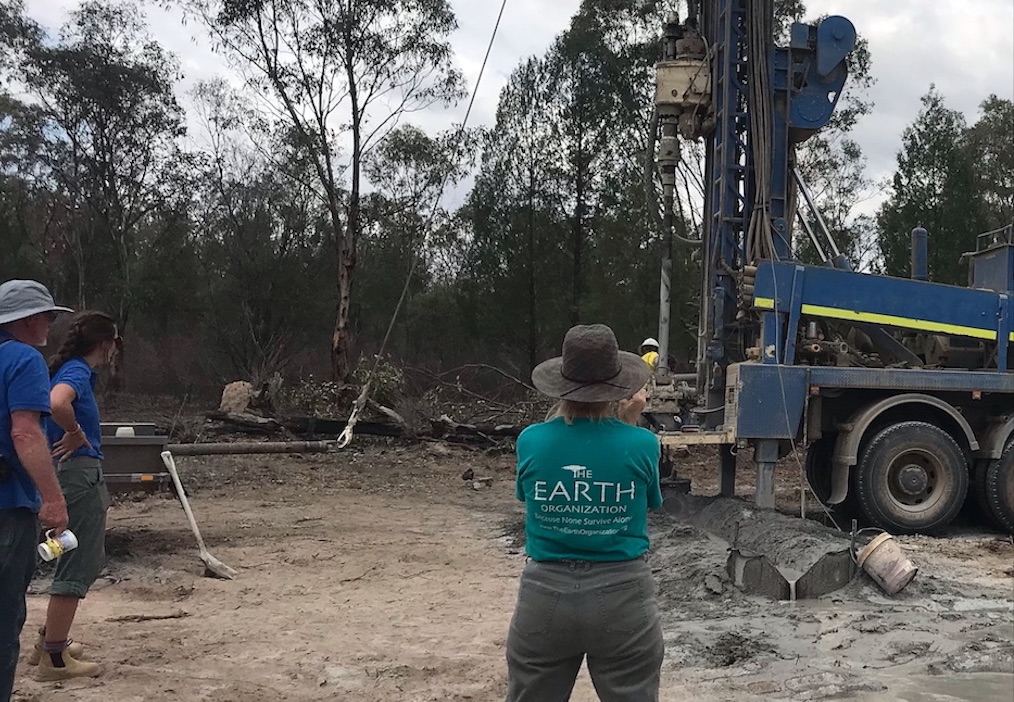
Apply skills on real field projects, apprenticeships, and internships under expert supervision.
04
Launch
Graduate with demonstrable skills, career support, and pathways into employment or entrepreneurship.
Core Training
Four Training Tracks. One Mission.
The current business plan organizes WRTS around four primary vocational tracks, with shared training in leadership, project management, documentation, business skills, and client management.
The Campus
The Campus Is Part of the Classroom.
WRTS is planned as a 200+ acre, live-in campus in the American Southwest with housing, classroom space, practical application through on-site land stewardship, regenerative agriculture, as well as after-class recreational facilities such as a therapeutic equine program, shooting range, fishing, etc. The property will serve as a regional hub for water, soil, and land restoration as part of student’s educational experience.
They will apprentice on projects to provide solutions for local farmers and ranchers, municipalities, developers and other landowners on real land, under real conditions, with a model they can carry into future jobs, projects, and properties of their own.
Why Veterans
A Workforce Built for Mission-Critical Work
Mission Focus
Comfortable working toward clear objectives with accountability.
Operational Discipline
Prepared for structured, technical, and field-based work.
Team Leadership
Experienced working within teams and taking responsibility under pressure.
Purposeful Transition
A path from military service into practical, mission-aligned civilian careers.
Career Pathways
Training Connected to Real-World Opportunities
WRTS is being designed around field-applicable competency, internships, employer relationships, and entrepreneurship, not classroom completion alone.
AquaterreX
Deep Seated Water technology, field application, and potential employment pathways.
OSEI Corporation
Environmental remediation methods and practical spill-cleanup expertise.
TEO International Network
Access to international affiliates, project sites, and future deployment opportunities.
WRTS has VA-eligible program pathways and is continually expanding our affiliations with a wide range of businesses interested in hiring our graduates.
Projected Outcomes
What Success Is Intended to Look Like
Business-plan targets for Years 5–6 of program delivery.
75–100
Students enrolled
40–80
Veterans served annually
60,000
Acres targeted for restoration
90%+
Target graduate job placement
Long-Term Model
Designed to Become Increasingly Self-Sustaining
The goal is not permanent dependence on charitable funding. The business plan combines philanthropic launch capital with multiple earned and institutional revenue streams.
VA Education Benefits
Planned participation in eligible veteran education and housing benefit programs once WRTS qualifies.
Land Restoration Revenue
Restore degraded land as part of training, then reinvest proceeds from sales or leases into future restoration work.
Technology Licensing
Long-term revenue potential tied to deployment and licensing of Deep Seated Water technology.
Earned Income
Training, events, workshops, services, and educational materials can create additional operating revenue.
Philanthropic Capital
Major donors, foundations, corporate partners, and grants provide launch and expansion capital.
Roadmap
From Concept to First Cohort
Phase 1
Secure the Campus
Raise launch capital, identify and acquire the property, and complete required remodeling or construction.
Phase 2
Build the Program
Recruit staff, finalize curriculum, prepare the live-in campus, and recruit the first cohort.
Phase 3
Launch & Scale
Begin field training with the first cohort, establish employer pathways, and scale toward 100+ students.
Current Status
Help Launch the World Restoration Trade School
WRTS is currently in the planning, fundraising, and property-acquisition phase. Early support helps move the project from plan to campus, curriculum, and first cohort.